Category Archives: Uncategorized

Religion Can Change Brains — and Bank Accounts

Faith helps, but you can improve yourself without it.  That’s one message of Andrew Newberg MD, a pioneer in what he calls “neurotheology,” and author of “How God Changes Your Brain,” a book that has been a favorite at our house for several months. Just announced by the Center for the Study of Religion (CSR) – Newberg will lecture on Wednesday, March 7 at 4:30 pm in Princeton University’s Guyot Hall (just below Frist), Room 10.
The CSR lecture series fascinates me. Yesterday I went to the annual Doll Lecture on Religion and Money, given by Lisa Keister, professor of sociology and the Director of the Markets and Management Program at Duke University.  An enthusiastic and lively speaker, she discussed some of her book, “Faith and Money: How Religious Belief Contributes to Wealth and Poverty.”  And though generalizations on academic subject are odious, here I go.
 
Speaking of the median (not the average person), and speaking of Wealth, not Income,  Keister finds that, as a group, White Catholics are accumulating Wealth at the most rapid pace because they are changing their lifestyles in crucial ways – family size, age at first birth, two parents working, etc  White Catholics have just topped Mainline Protestants in total Wealth.
Meanwhile Conservative Protestants have half the Wealth of their Mainline brethren. Here is an excerpt from page 99 of her book, courtesy of a blog.
For example, Conservative Protestants tend to have relatively low educations, large families, and traditional family structures (women stay home, men work). Conservative Protestants also tend to believe (and report in my survey data) that money belongs to God, and people are managers of the money. It follows that asking for God’s guidance in making financial decision makes sense. It also follows that accumulating large amounts of personal savings may not be the best use of the money.

Consistent with these patterns, Conservative Protestants are more likely than other groups to accumulate few assets during their lives. For those who do accumulate wealth, Conservative Protestants tend to follow a somewhat traditional wealth accumulation trajectory involving early ownership of cash accounts followed by eventual homeownership. They are unlikely to follow a path that involves early ownership of high-risk financial assets. 


What jolted yesterday’s audience: On Keister’s bar graph of wealth, organized according to the median wealth of each religion, Jews are more than twice as wealthy as both Protestants and Catholics. One of the many possible lifestyle and family reasons: Shares of stock are an acceptable bar mitzvah gift, and one of the most efficient ways to accumulate Wealth is to hold fast-growing assets for a long time.


Interestingly, both obedient Jews and Conservative Protestants are expected to be generous to needy causes. The Jewish tzedakah  requirement is 10 percent of income, comparable to the Christian tithe of 10 percent. Keister did not cite giving averages for the general population, but some studies show that the average American family that makes donations will donate from  two to three percent of its income. 

As for Newberg’s book, it is billed as “Both a revelatory work of modern science and a practical guide for readers to enhance their physical and emotional health, How God Changes Your Brain is a first-of-a-kind book about faith that is as credible as it is inspiring.”

. Full disclosure –  I haven’t read it yet myself — but here is what the promo promises: 

Not only do prayer and spiritual practice reduce stress, but just twelve minutes of meditation per day may slow down the aging process.
• Contemplating a loving God rather than a punitive God reduces anxiety and depression and increases feelings of security, compassion, and love.
• Fundamentalism, in and of itself, can be personally beneficial, but the prejudice generated by extreme beliefs can permanently damage your brain.

• Intense prayer and meditation permanently change numerous structures and functions in the brain, altering your values and the way you perceive reality. 
My spouse is a big fan of this book and says it has helped him with his spiritual life. We have ordered copies for friends. It’s on his desk. Perhaps I need to get my own copy — in time to get it autographed next week. 

Leadership’s Trump Card

Immediate credibility — that’s the goal of every speaker, and it’s hard to achieve. 


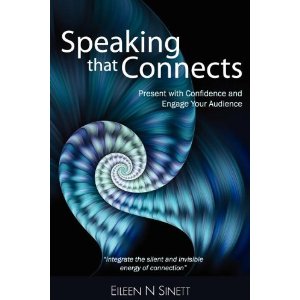
Eileen Sinett promises to teach this, and a host of other skills, in a half-day seminar at Raritan Valley Community College on Tuesday, March 6, starting at 8:30 a.m. 


Sinett calls it the Leadership Trump Card, and its part of her presentation training brand “Speaking that Connects.” (She has an excellent book by the same name). This workshop is for everyone from would-be keynote speakers to the person whose knees shake when they get up to talk. Among the other skills she teaches: how to organize a succinct and persuasive message, how to manage distracting body language, and how to present genuinely, yet project strong leadership. 


You’re the dealer here. Deal yourself a trump card!


Redefining Virtuosity

The dancers were gorgeous on Friday, when I had the delightful task of discussing excerpts from the program for American Repertory Ballet’s Saturday, March 17 concert at Raritan Valley Community College.More than 75, including a handful of Princeton Comment readers, came to Princeton Ballet School for its On Pointe series, “Watching and Talking About Dance.” I joined ARB’s director Douglas Martin and former dance critic colleague Michael Robertson. 
Michael proposed his heuristic: that all dance can be boiled down to a combo of structure (musical form, floor pattern, development of movement themes etc.) and virtuosity. He showed a videotape of a marching band (structure, no virtuosity) and a sequence from Flash Dance (virtuosity, no structure), and then we watched the opening minutes of new works by  Mary Barton and  Trinette Singleton.
The dancers were gorgeous. Did I say that already? I say it again. 
Back to the discussion. Ever the contrarian, I wanted to also consider “meaning” or at least “message.”
I should disclose my prejudices. I came from the sturm und drang (Martha Graham and Jose Limon ) school of modern dance. Back ‘in the day’ in the ‘50s, we pronounced classical ballet as mostly fluff. Among the ‘abstract’ modern choreographers, we deemed Merce Cunningham (who made dances using the method of chance) as simply beyond the pale, and Alwin Nikolais – well, if you tried to figure out what he meant, you did it at your own risk. My views on ballet were out of synch with critics who doted on Balanchine and loathed European expressionism.
Though I now love Balanchine, my favorite choreographers are Paul Taylor and Mark Morris because they give me something to chew on, something to try to figure out. Yet even Merce – as Michael pointed out – did not necessarily disdain meaning. His dances might look different each performance, but he said he hoped each viewer would find his or her own meaning for each  evening.
As for the “message” that I require, it does not have to be dramatic or narrative. It can be simply “Look at me! Aren’t I fabulous” (though that is my least favorite). The very same steps that communicate a “look at me” message can be performed less egotistically to say “I’m here in this space and I welcome you, the audience, to my world.”
Virtuosity is surely necessary. Barrel turns are thrilling and fouettes are fun to count. Petit allegro (small jumps and beats to a fast tempo) and double turns belong in a professional male dancer’s resume.
For instance, Barton’s piece begins with petit allegro for five men and it’s like – whew – they can do it — and now I don’t have to worry about being embarrassed for them. (Competent male dancers can be a scarce commodity and — over the past 30 years – this company has not always been able to field a complete team. I’m glad to report that this troop passes that test.) 
But real virtuosity, in my mind, can’t be measured by high leaps or multiple turns. For me, it’s in the carriage – shoulders that float on the air and arms that stretch out to forever. And ARB’s dancers have that enviable quality, especially in the new Singleton piece, and also in Arpino’s “Confetti,” with its nod to Bournonville.
Dancers with this ease can deliver a message. Their outstretched arms can say “I welcome you” or “Here I am for you” or any of a dozen emotions. They can invest a simple tendu with a meaning. (The message need not be specific. It can be abstract. In  Baryshnikov’s last appearance at McCarter, his tendu was the Essence of Tendu; I can still see it in my mind.)
Afterwards I talked with dancer Stephen Campanella (who has his own hometown-boy-makes-good story) about the meaning versus abstract dichotomy. He related what Sarah Stackhouse, the Limon dancer, said when he told her that — the first thing he asked himself when watching a performance was — did it move him. “She replied that if I were moved, first I would probably not have needed to ask myself the question, and second that being moved was all that was necessary.” 


I translate that to  “If you don’t feel anything, it’s not worth doing.” 
To get to Raritan Valley Community College(it’s not as far as you might think) take 206 North to the Somerville Circle and go four miles on Route 28. After your first visit, you are likely to return, because you’ll be surprised by the varied offerings with modest ticket prices. For instance, the ARB tickets are $25 and $35. In addition to Confetti(to a Rossini score), Singleton’s Capriccios(to Shostakovich’s Piano Concerto # 2), and Barton’s new piece for male dancers,  Martin will present the balcony scene from his new Romeo and Juliet
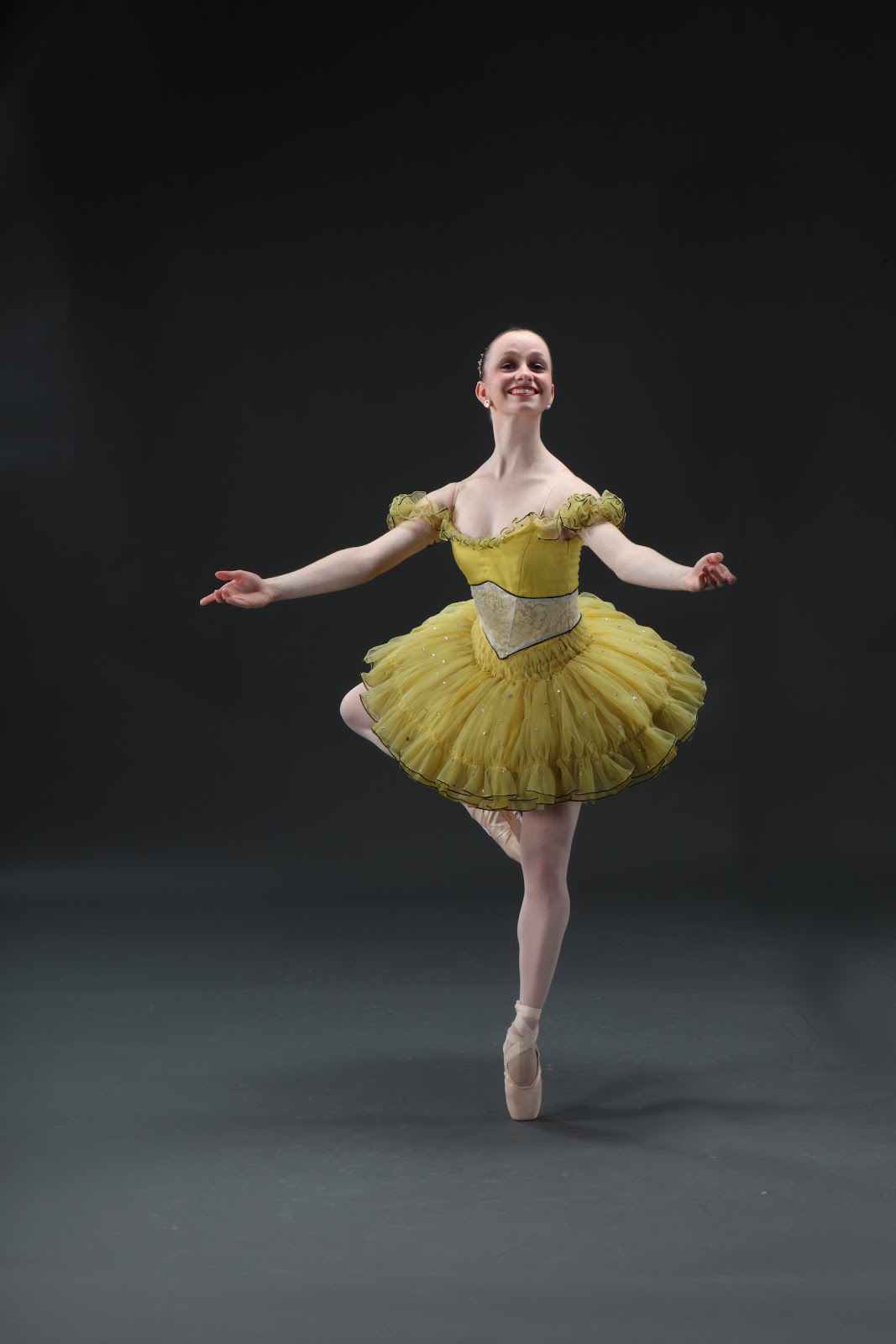
Photo of Monica Giragosian in Confetti by Peter Cook. 
I added Campanella’s anecdote on 2-29-12. and changed Stackhouse’s name from Sally to Sarah. She was known as Sally in the ’50s.

Unmasking Riverblindness

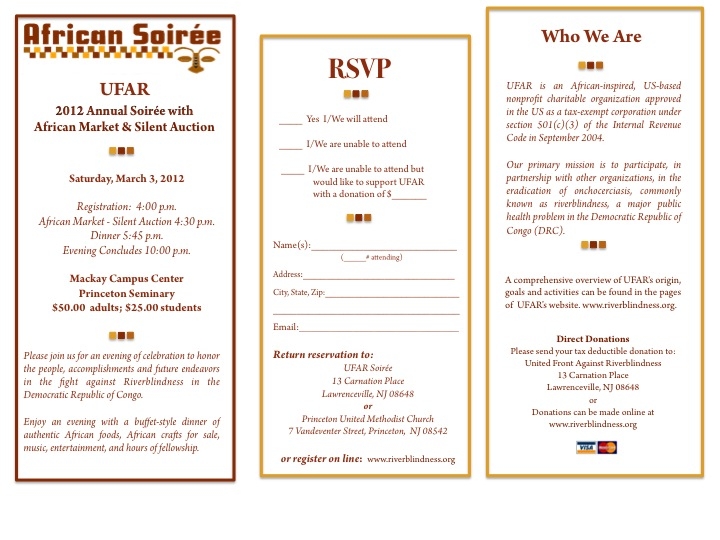
If you like African art, take a look at these masks, sculptures, and fashions from the Democratic Republic of Congo. All — plus an abundance of jewelry — will be on sale at a silent auction, part of the African Soiree to benefit the United Front Against Riverblindness on Saturday, March 3 at the Princeton Theological Seminary. Registration starts at 4, and the silent auction starts at 4:30. Your chances of a bargain are good — because only ticket holders can bid. The $50 ticket ($25 for students) also includes a sumptuous feast  (each cook does the specialty of his or her country) plus great entertainment — African dances and a fashion show

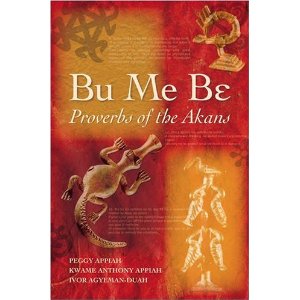
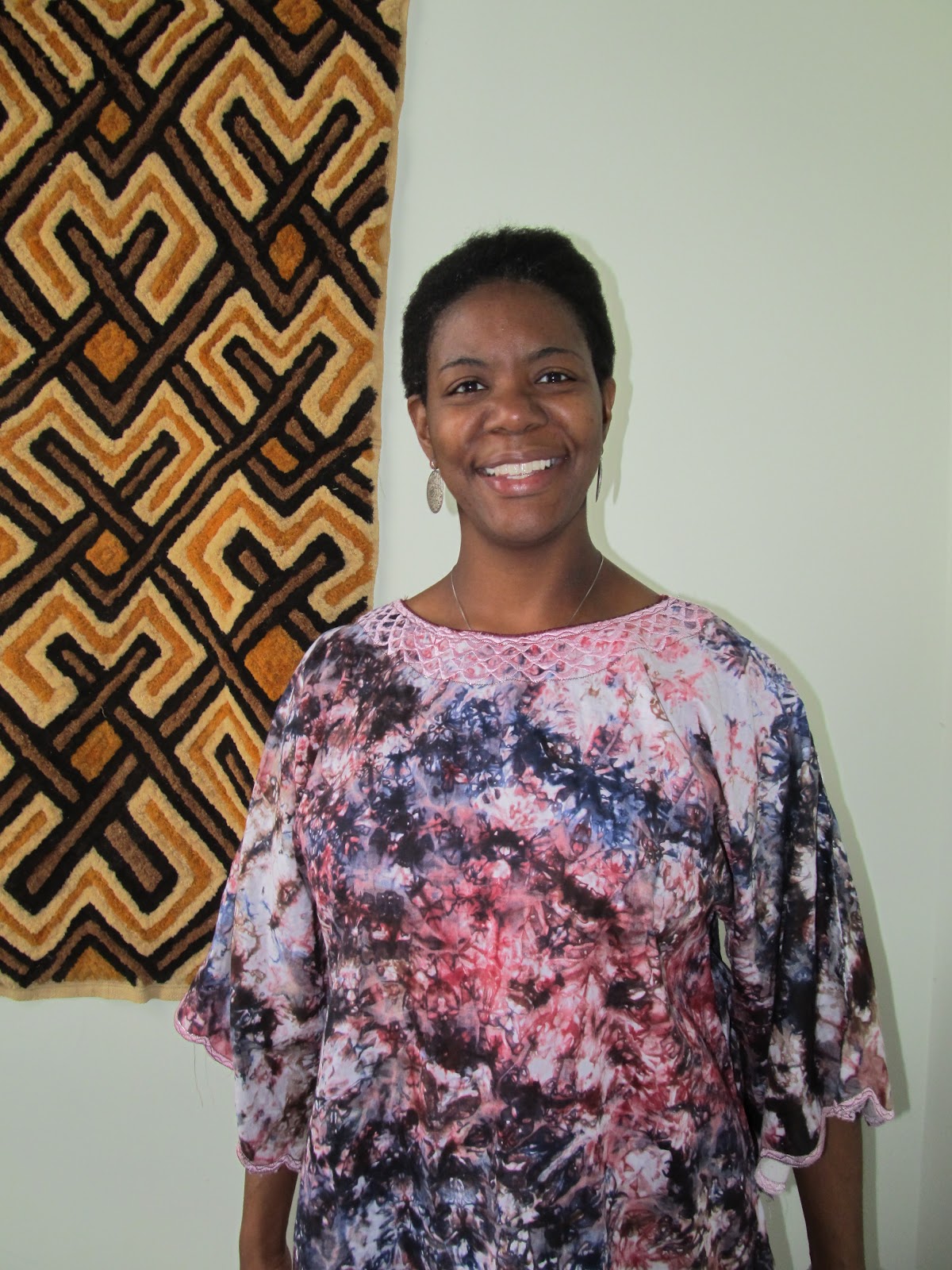
And if you like African art, you have probably perused the smallish but excellent collection at the Princeton University Art Museum. Kristen Windmuller (left), a Yale graduate now getting her PhD from Princeton, will give a tour of “Ghanaian Gold: Objects from the Treasury of the Asantehene” on Sunday, February 26, at 3 p.m. The Asante people are known for their proverbs, Windmuller says, and these proverbs relate to the art.. “Bu Me Be” is a collection of the proverbs, translated, by Peggy Appiah and her son Kwame Anthony Appiah, a professor at the university.So many African treasures in just one week — the expert’s view at the art museum and the buyer’s delight at the African Soiree. Here’s an overview of the items for Saturday, March 3. All proceeds go to help prevent the socially disruptive disease, riverblindness, which starts with an excruciatingly itchy rash, and when it leads to blindness, children must leave school to be full-time caregivers for family members. There is a drug for riverblindness, provided free by Merck & Co., but it is a challenge to get the drug to remote villages and ensure that every person takes the drug once a year for at least 10 years. Call 609-924-2613 or go to riverblindness.org to get tickets. Free offstreet parking is available. 


Saying “Choose NJ” with Flowers

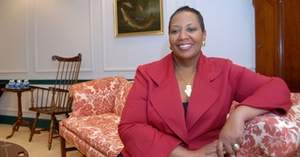
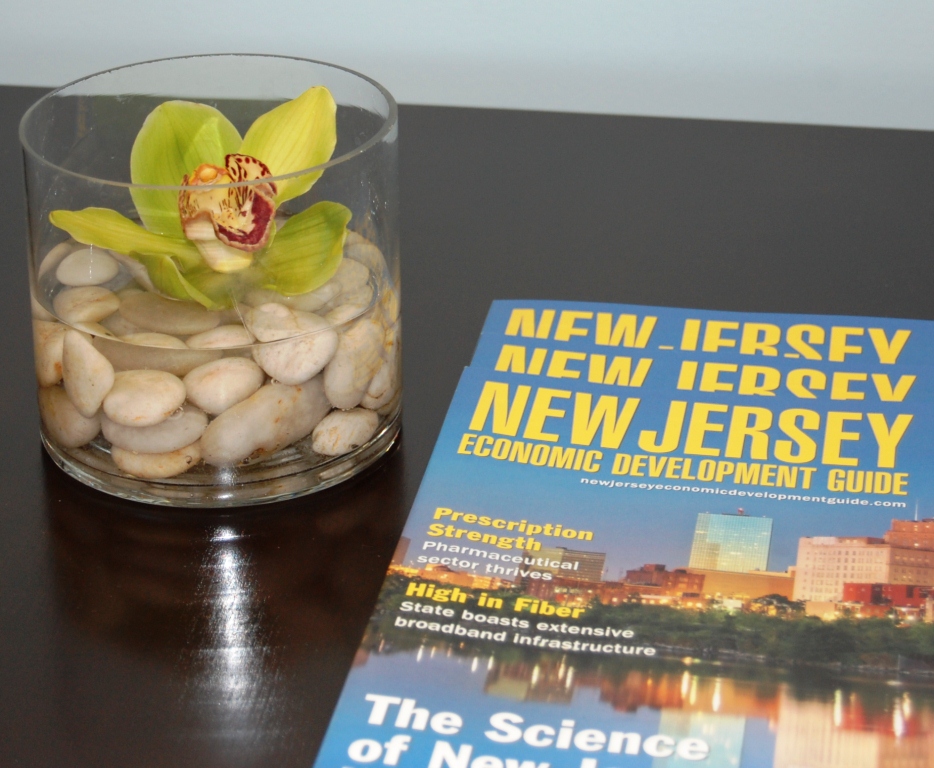
Choose New Jersey, which represents part of the Christie administration’s economic agenda, headed by Tracye McDaniel, has just moved to Forrestal Village. Formerly in with a law firm, this nonprofit has grown to six staff members. 

Tracye McDaniel, CEO and president of Choose NJ
 Leaving no stone — or potential social media post — unturned, Georgianna Vinnicombe of Monday Morning Flowers turned a last -minute order (to decorate the offices of her new neighbor) into a very effective blog post, as below.  Say it with flowers — or Tweets! 

Weekend Dance Bargains: Feb 24 (today!)

See excerpts from new works — performed by professional dancers, at a free lecture demonstration on Friday, February 24 at 5:15 p.m. (That’s probably today as you read this!) when American Repertory Ballet (ARB) presents “Watching and Talking about Dance” at its Princeton studio on the second floor of McCaffrey’s in Princeton Shopping Center.

Then see new dancers (from Princeton University) perform historically significant works for low-priced tickets ($15) on Friday (and also Saturday, and Sunday), February 24 to 26 at McCarter Theatre.

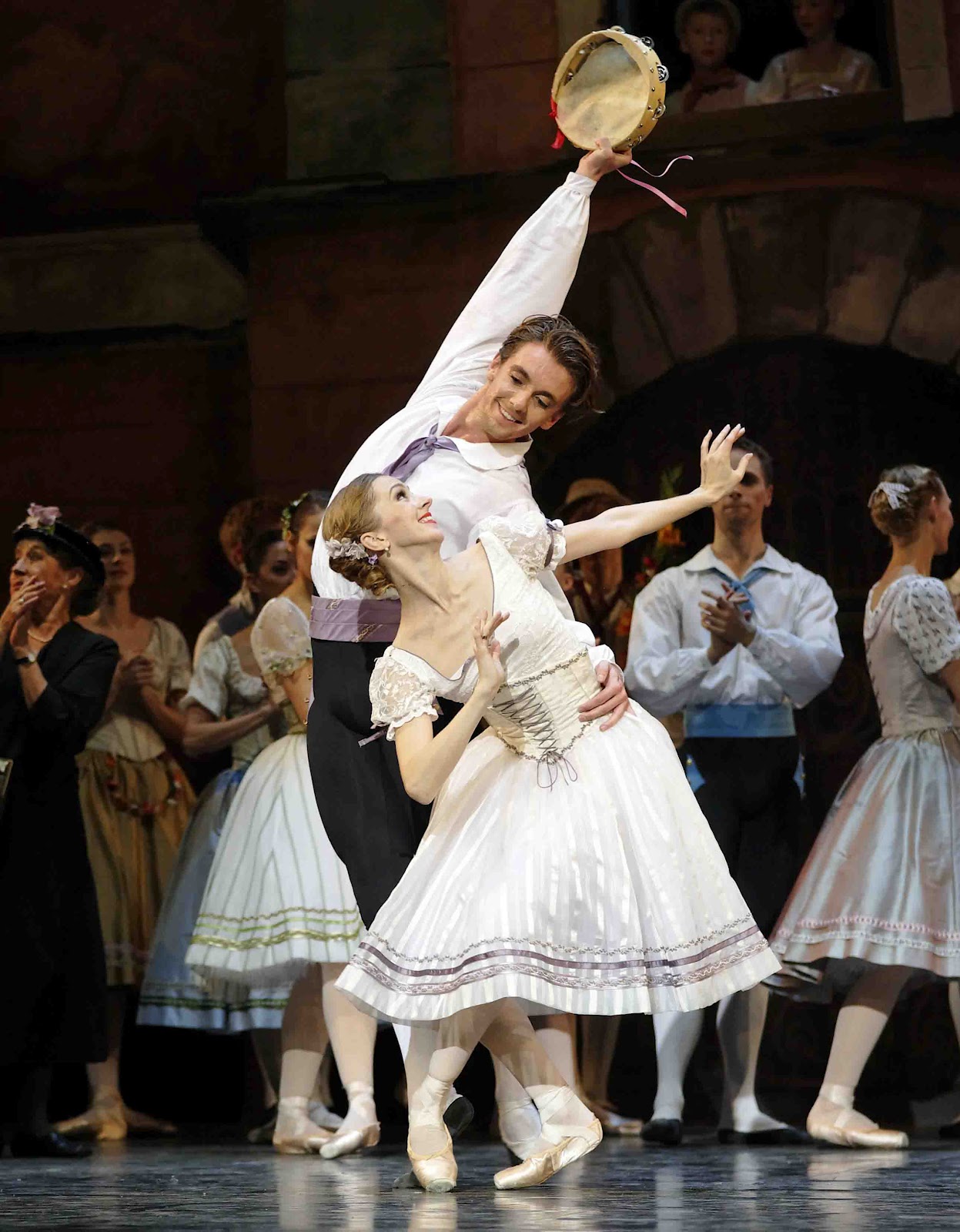
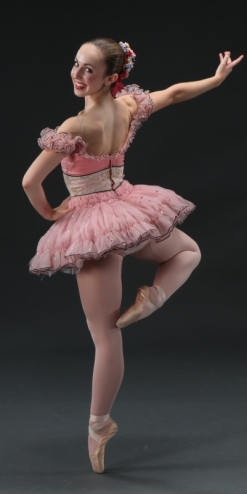
I saw ARB in rehearsal this week and am excited about the dances — new works by Mary Barton (a piece for men only) and by Trinette Singleton (for mostly women) plus a revival of Gerald Arpino’s “Confetti” (photo at right)  All three of these dances, along with excerpts from Douglas Martin’s “Romeo and Juliet,” will be in ARB’s “Spring into Love” performance on Saturday, March 17, at Raritan Valley Community College.

 If you can come to the lecture/dem, you’ll see the excerpts and listen in on the conversation. I join Michael Robertson (long-time friend and fellow dance critic) and company director Douglas Martin to help deconstruct the dances.  Hint: Martin used to dance in the Arpino work during his Joffrey Ballet days, and Robertson is going to point out that Arpino quoted  liberally from August Bournonville’s “Napoli,” picture above at left.  (Please note that excerpts of the dances will be performed in a studio setting, i.e.you will be knee to knee with the dancers — not in a theater with costumes!)

Over at McCarter this weekend, in a fully staged performance, student dancers present excerpts from Balanchine’s “Four Temperaments,” “Who Cares?” and “Apollo” (staged by Heather Watts)  and from Trisha Brown’s 1983 “Set and Reset,” described by Tobi Tobias in “Seeing Things” as “The choreographer’s fluid movement pairs with Robert Rauschenberg’s translucent costumes and fleeting background images to create a ravishing, ephemeral world.”  They will also perform work by Doug Varone and Jessica Lang. The publicity doesn’t say whether we get to see student choreography — to me, new work from fresh minds is infinitely more interesting than re-dos. But I guess it’s fun to perform it.  Note that the Lewis Center for the Arts invites the community to attend dance master classes for free — to observe. The next one is Tuesday, February 28, with choreographers from Istanbul.

Photo of Napoli (above) courtesy of the Royal Danish Ballet and Arts Journal. Photo of Confetti by Peter Cook.

African Drumming, Dancing, Fashions, and Feasting


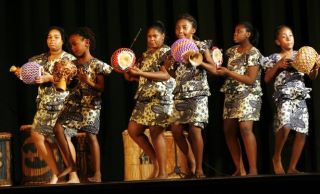
It’s got the food, it’s got the fashions, it’s got the camaraderie — and most of all, it’s got the dancing and drumming. Dancers and drummers from The Garvey School/Egun Omode Shule (above) will perform on Saturday, March 3, the third annual benefit for the United Front Against Riverblindness. This community-wide African Soiree will be at the Mackay Campus Center, Princeton Theological Seminary, 64 Mercer Street, Princeton. The price is right, at $50 ($25 for students). Tickets are available at www.riverblindness.org.

Proceeds will help United Front Against Riverblindness (UFAR) to eradicate riverblindness in the Democratic Republic of Congo, where approximately 21 million of the 60 million people are at risk of getting this disease, according to Daniel Shungu, founder of UFAR/

A socially disruptive disease, riverblindness starts with an excruciatingly itchy rash, and when it leads to blindness, children must leave school to be full-time caregivers for family members. There is a drug for riverblindness, provided free by Merck & Co., but it is a challenge to get the drug to remote villages and ensure that every person takes the drug once a year for at least 10 years.

The evening begins at  4:30 p.m. with an African market and silent auction.  African cooks will serve their native dishes, followed by a fashion show of dresses made by a non-profit women’s organization (Femme Berceau de l’Abondance or FEBA, meaning Woman, Cradle of Abundance), located in Kinshasa of the Democratic Republic of Congo. (Left, Krista Forbes, a senior Master of Divinity student at Princeton Theological Seminary, models one of the dresses).  

Highlighting the evening will be Garvey School’s Egun Omode (the name means children of the ancestors in Yoruba). The Garvey School is an African-centered school in Trenton; Baye Kemit is the principal.

Directed by Makeda Kemit, this troupe celebrates the traditional cultures of West Africa Mali, Guinea, Senegal, and Nigeria. Its performance at the African Soiree will be a preview of  The Journey, a May 10 and 11 festival at the New Jersey State Museum (pictured above). The Journey sounds like a fabulous event. 

Egun Omode is directed by Makeda Kemit. Many of the troupe’s performers attend The Garvey School, an African-centered school in Trenton; Baye Kemit is the principal. Foluso Mimy is the lead djembe drummer of the perfoming troupe. Mimy wowed the crowd at the two previous African Soirees, not only with his drumming, but with his winning personality. It’s going to be a warm-hearted and wonderful evening! 

 Call Princeton United Methodist Church at 609-924-2613 for information on the African Soiree or register for the African Soiree at http://www.riverblindness.org. 


Writing Thank You Notes Does Pay Off

With Jet Blue (the employer of the now-famous Steven Slater) at the low end of the scale, and Campbell Soup’s CEO at the other, Kevin Kruse showed why it makes good business to help employees grow in the jobs, recognize them for what they do well, and create an atmosphere of trust.


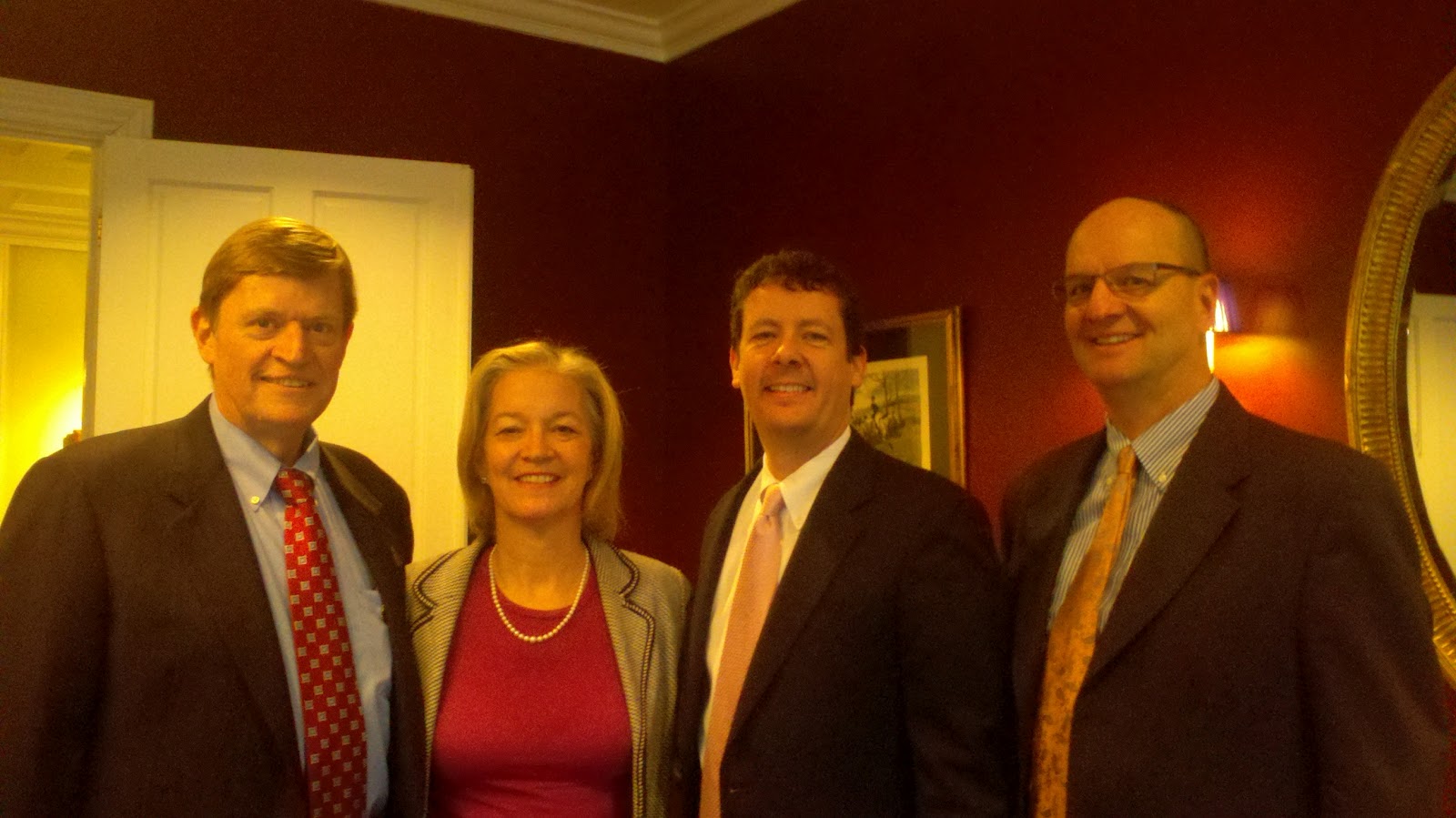
This morning Kruse (third from right in this photo, also including, far left, Princeton Regional Chamber CEO Peter Crowley, Nell Haughton, and Tom Neilssen) spoke at the Nassau Club to a capacity audience of the Princeton Regional Chamber.  Neilssen, who is CEO of the Research Park-based Bright Sight Group, represents Kruse for his speaking dates. Those who attended went home with a free, signed copy of the book Kruse co-authored, “We: How to Increase Performance and Profits through Full Engagement.”


Slater is (was) the Jet Blue airline attendant who famously get fed up with his job and exited the aircraft on a slide. Doug Conant was the CEO who rescued the fortunes of the 150-year-old Camden-based soup company with a “soft approach,” paying attention to the hopes and dreams of the workers. (Conant had his own book published last year, Touch Points.)


Speaking without notes, with the humor and ease of the professional keynoter,  Kruse gave example after example of how G (grow) plus R (recognize) plus T (trust) equals business success. At one of his previous firms, Kenexa, he made it a point to have regular career chats (G for growth) with each employee about where they wanted to be in the next three years, and these contributed to his earning Best Workplace Awards. Beleaguered by Campbell Soup’s initial financial problems, Conant somehow found time to write 10 to 20 thank you notes every day, accomplishing the R for Recognize. Any company, whether in the black or in the red, should summarize its strategic plan as something memorable (Starwood’s mantra, for instance, is 1,500 hotels for 2014. That’s T for Trust). 


When he recently addressed a prestigious military audience, Kruse picked up another piece of advice, this one from a respected colonel: “Everyone is not a leader! First you must learn to follow.” But, says Kruse, even though you are not the acknowledged leader, not the CEO nor the manager — you can use the G-R-T principles. says Kruse: We can all lead from where we are.” 


Guess I’d better get back to my long list of unwritten thank you notes

Kevin Kruse: Satisfaction Equals Profits


Want to lose weight? Be fully engaged at work.

Want to live longer? Be fully engaged at work.

Want a better marriage? Be fully engaged at work.

Want to be a better parent? Be fully engaged at work.

Want to achieve inner happiness? Be fully engaged at work.


So says Kevin Kruse, serial entrepreneur and expert on leadership, employee engagement, and business excellence. Kruse speaks at the Princeton Regional Chamber of Commerce’s February Business Before Business Breakfast on Wednesday, February 15, at 7:30 a.m. His talk is titled, “Re: Engage! How Leaders Gain Emotional Commitment through Growth, Recognition, and Trust.” Cost $25 or $40 for non-members. 

“Employee satisfaction is at an all-time low,” says Kruse, expert on leadership, employee engagement, and business excellence. “This is a crisis for business because it hurts profits and stock prices. It’s a crisis for individuals because it impacts their health and relationships.”


Everyone who attends will get a free copy of “We: How to Increase Performance and Profits through Full Engagement,” a New York Times, Wall Street Journal, and USA Today bestseller that Kruse co-wrote with Raymond Karsan, head of Kenexa, a cojmpany that conducts employee engagement nad opinion surveys. 

Kruse started his first company — a computer game software developer — after graduating from Rutgers. He then started a human resources firm, which he sold to Kenexa.http://www.kenexa.com/welcome He left Kenexa in 2003 to start Axiom, a medical education provider, which he sold to Axis Healthcare. Now one of his firms, Kru Research, stages an annual e-health conference in Philadelphia,  ePatient Connections. To continue 

http://princetoninfo.com/index.php?option=com_us1more&Itemid;=6&key;=2-8-12kruse

PS I’ve seen Kevin speak at his ePatient Connections conferences, and he’s a terrific speaker…

Jumpstarting Innovation in Princeton

Meet investing angels in Princeton on February 21, and meet the inventor of the Next Big Thing on February 29. You’ll need an invitation for the Angel Party, sponsored by Jumpstart New Jersey (email your business summary to info@jumpstartnj.com). But anybody will be able to spot the angels lurking in the audience (and on the judges stand) at the February 29 Innovation Forum, set for 5:30 p.m. at the Friend Center Auditorium, and it’s free.


It is sponsored by Princeton University’s Keller Center, the Jumpstart New Jersey Angel Network, and Drinker Biddle & Reath LLP in conjunction with Princeton’s Office of Technology Licensing. Competitors — all with a connection to the university — give a three-minute elevator pitch and the judges award a total of $40,000 to the top three entries.
A couple of years ago a woman won first prize for a website that crowd-sourced and crowd-funded fashion picks. That one dropped a lot of jaws. Here’s an account of last year’s contest.


Upcoming events, as featured on the Office of Technology licensing web page, include 

BioNJ’s Innovation Summit and Funding Roundtable: An event focused on diagnostics and personalized medicine. Wed., Mar. 14, 2012, at Princeton University 

International BioPartnering Conference
: Join life science executives from the biotech and pharmaceutical industries, venture capitalists and entrepreneurs at New Jersey’s only biopartnering conference. May 10-11, 2012, Westin Princeton at Forrestal Village