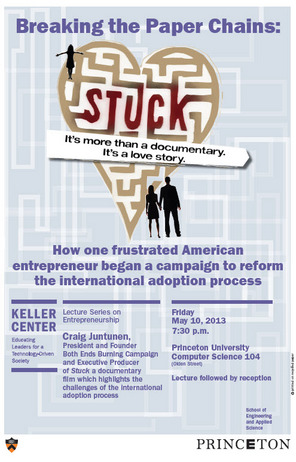
Entrepreneur Craig Juntunen adopted his three children from Haiti seven years ago, and realized how dysfunctional the adoption process was. He formed Both Ends Burning, a nonprofit dedicated to reforming the system, and produced a documentary, “STUCK,” designed to educate the American public about the 10 million children around the globe victimized through disinterest and unnecessary bureaucracy.
Category Archives: Faith and Social Justice
Speak . . . For Your President is Listening
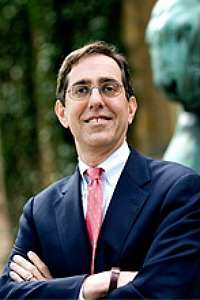
Princeton University’s new president, Christopher Eisgruber, tells an Associated Press reporter , Geoff Mulvihill, that Princeton is a warmer place than it used to be (thanks in part to more ‘inclusiveness’ among students). He lauds the idea of a liberal arts education versus a job training period. (Andrew Delbanco’s book, just out in paperback, College: What Was, Is, and Should Be, takes the same tack.)Yet Eisgruber regrets that current students can’t share the experiences he had when arrived as a freshman in 1979, and here I’m quoting Mulvihill:
‘Full faculty members sometimes served as discussion leaders for colleagues’ classes, it was more common for non-recruited athletes to walk on and join sports teams, and students weren’t so competitive from the moment they arrived on campus. But the last part, he said, is unlikely to change.’
In Not in Our Town discussions (NIOT holds discussions. ‘Continuing Conversations,’ on first Mondays at 7:30 p.m. at the Princeton Public Library), that very subject — aggressive competitiveness — has come up several times. These discussions are open to the public but are “private,” not divulged afterwards.
However, one of the discussion moderators, Roberto Schiraldi, published several documents on the NIOT blog. Schiraldi has retired from a job as a Princeton University counselor. He shared an open letter to the current university president, Shirley Tilghman, He also posted part of a paper, A White Man on the REZ: “Higher” Education In A Culture of Fear: A Journey Through Alienation and Privilege to Healing.
The question: Have student values of competition — getting the best grades and the best job — superseded humanistic values?
The future president of Princeton University says he plans to “just listen” during his first year in office. If Eisgruber is listening, now is the time to speak.
Stand Against Racism — Today
March 14: What Happens to Women in ‘New Jim Crow’
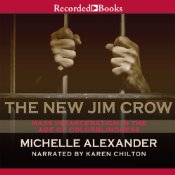
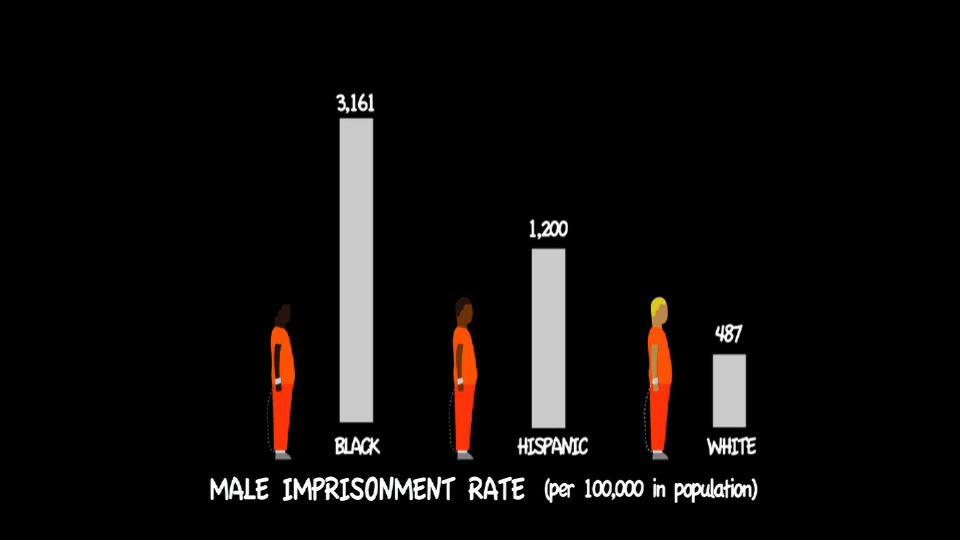
It’s exciting that Princeton community has taken on Michelle Alexander’s landmark book, The New Jim Crow, published in 2010. Groups and congregations around the town have been reading and learning together. Many of us have learned, for the first time, that there are more than 2.2 million people incarcerated in the United States — that’s more individuals, per capita, than either Russia or China.
What’s more exciting is that people can now lend a hand to the criminal justice reform movement that has seen some significant accomplishments in New Jersey. In 2008, New Jersey launched a “Second Chance Campaign” that helped Assemblywoman Bonnie Watson Coleman gain passage of three parts of her
Omnibus Criminal Justice Reform bill in the 2009-10 legislative session. Some reforms have been accomplished, but there is plenty left to be done.
![]() |
| Nicole Plett |
On Thursday, March 14, at 7 PM, the Princeton YWCA will present “Now Hear This,” a discussion forum that looks at the New Jim Crow as it relates to women, children and their families. Facilitated by Simona L. Brickers and Nicole Plett, the discussion will address both the unique concerns of incarcerated women and of those women who live with the consequences of having family members in prison or recently released from jail.
Brickers, a Trenton native, facilitates the African American Interest Book Club at Princeton Barnes & Noble. She teaches with the Literacy Volunteers in Mercer County, Inc. and is an NAACP Chairperson of Legal Affairs in Trenton. A doctoral student, she has served as Child Protection Board member for the City of Trenton.
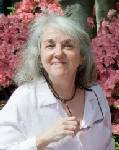
Plett, a member of the Integrated Justice Alliance (IJA) and representative of Building One New Jersey, confronts the crisis of mass incarceration and the challenges of reintegration by working with institutions, organizations, and individuals. She is also an officer of the League of Women Voters of Lawrence
Township.
Says Plett: “I look forward to having more voters become aware of how important this reform process is, and how they can play a key role in getting new legislation passed.”
There will be a weeklong reading of The New Jim Crow starting Sunday, April 7, at 5 p.m. For more information on this and other events connected to this cause, click here.
Quilt Auction at UFAR’s African Soiree
Riverblindness starts with an excruciatingly itchy rash, and when it leads to blindness, children must leave school to be full-time caregivers for family members. About 21 million of the 60 million people there are at risk of getting this socially disruptive disease. There is a drug for riverblindness, provided free by Merck & Co., but it is a challenge to get the drug to remote villages and ensure that every person takes the drug once a year for at least 10 years.
I’ll be there, supporting UFAR founder Daniel Shungu. James Floyd, a former Princeton mayor who will celebrate his 91st birthday that evening, will be the guest of honor.
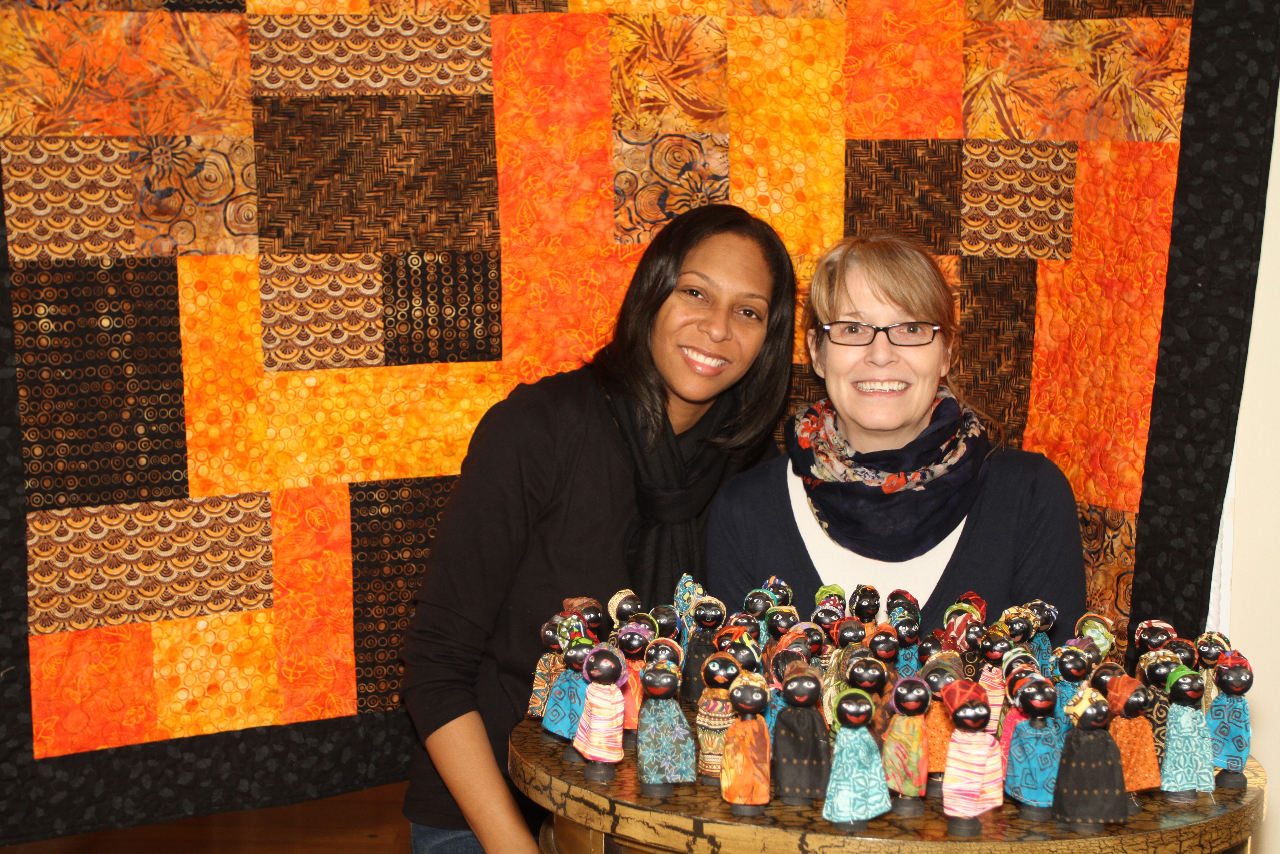
Photo by Robin Birkel: Susan Lidstone (right) shows Dana Hughes the dolls that she and volunteers from the Lebanon Quilting Guild fashioned as favors for the Fourth Annual UFAR African Soiree.on Saturday, March 9, 5 to 8 p.m., at Princeton Theological Seminary. Also shown, a brightly colored African Sunset quilt, made by Shirley Rudd, which will be auctioned at the Soiree.
Troubling Issue: Female Circumcision
Social Justice vs Current Criminal Justice
People are talking about “The New Jim Crow,” the term proposed by Michelle Alexander in her book with that title. According to a documentary about this, the “discrimination that was legal in the Jim Crow era is today illegal when applied to black people but perfectly legal when applied to ‘criminals.’ Since the rise of the drug war and the explosion of the prison population, and because discretion within the system allows for arrest and prosecution of people of color at alarmingly higher rates than whites, prisons and criminal penalties have become a new version of Jim Crow.”
In a column in today’s Times of Trenton, meet Barbara Flythe, who is on the New Jim Crow task force. She leads the discussion at Witherspoon Presbyterian Church on first Sundays, i.e. Sunday, February 4, 11:45 a.m.
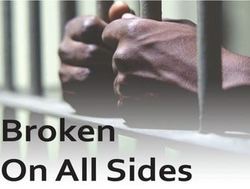
On Wednesday, February 6, at 7 p.m., at the Princeton Public Library, see the documentary mentioned above, Matthew Pillischer’s “Broken on All Sides.” Pillischer will be there for the discussion. 
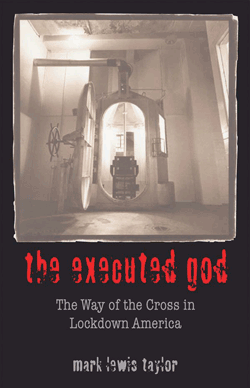
POSTPONED due to storm On Friday, February 8, at 6:45 p.m., at the Lutheran Church of the Messiah, 406 Nassau Street, Mark Taylor, a professor at the seminary, will lecture on “I Was in Prison: Remembering Jesus in the U.S. Lockdown. Taylor, the author of “The Executed God,” has been active on issues involving incarceration for many years and is a compelling speaker.
February is of course a time when many organizations try to focus on issues experienced by people of color. This year, the criminal justice system is the focus for many of these events. Here is a partial calendar from the Not in Our Town Princeton website.
Not in Our Town invites anyone/everyone to Continuing Conversations on Race on first Mondays at 7:30 p.m. at the Princeton Public Library.
Locked Up, Locked Out, Broken on All Sides
150 Years Later: Race is Still an Issue
The fundamental devaluation of dark skin — 150 years after the Emancipation Proclamation — is surprisingly resilient, says Charles M. Blow in an op-ed in the New York Times.
Anti-black sentiment has risen around the country, according to the polls.
Blow quotes Herman Cain to illustrate how using slavery as an analogy may have become “subversively chic.” Cain, running as a Republican presidential candidate, built an entire campaign around this not-so-coded language, saying that he had left “the Democrat plantation,” calling blacks “brainwashed” and arguing, “I don’t believe racism in this country today holds anybody back in a big way.”
Issues like these are on the table every month at the Not in Our Town sessions, held on first Mondays at the Princeton Public Library. The next Continuing Conversations on Race, is set for Monday, January 7, at 7:30 p.m.
For this month, the focus is on the values honored by those in higher education. Some believe that everyone has equal opportunity at, for instance, Princeton University. Others may differ. Roberto Schiraldi and Fern Spruill will lead the discussion, focusing on such topics as minority employment, education, and the retail experience. All are welcome to share their views in an open, friendly, and confidential session.
Nationally, more people are expressing anti-black sentiments. This discussion, as with all of Not in Our Town Princeton’s activities, focuses only on Princeton.
TASK’s Dennis Micai: Good Report Card
The Trenton Area Soup Kitchen (TASK) gets four stars on the report card provided by Charity Navigator; it earns 69.13 points out of 70. So Dennis Micai, executive director of TASK, will be able to share that good news at a breakfast at Princeton United Methodist Church (PUMC), Nassau and Vandeventer, on Sunday, January 13 at 8 a.m.
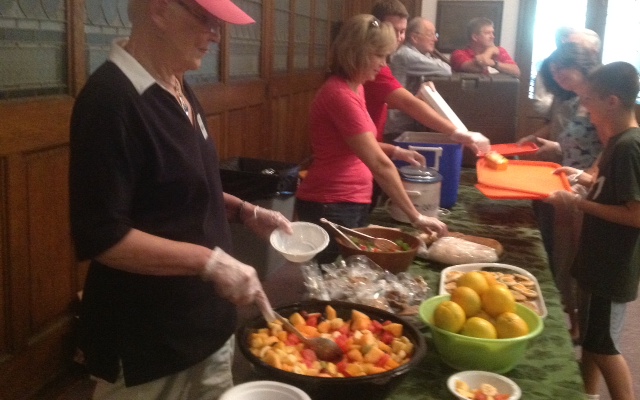
PUMC volunteers have been serving at TASK in Trenton for two decades, but last June the church and TASK began a new partnership to serve meals in Princeton to more than 50 people every Wednesday. Some come for the food, some for the fellowship, and dozens of volunteers from both the church and the community are helping. TASK cooks most of the meals but outside organizations (the restaurant Zorba’s Brother cooked a turkey dinner last month) have also contributed. TASK has a similar partnership in Hightstown.