Guest Post: Louis Baszile on Princeton Art Walk
Thanks go to Louis Baszile for this account of the Princeton Art Walk on Thursday, March 1, 2012
The historic town of Princeton came alive last night with the Princeton Art Walk. My night began at the Arts Council of Princeton. I used to drop my daughter off there for classes but never stepped inside. The art was very thought provoking. They were nice enough to offer food upstairs. Then I proceeded to the Princeton Library where I saw art on various floors. I was knocked over with the tile art in one conference room and a sculpture of a goose.
At this point I was became part of a group of 8 people that proceeded to Small World Coffee shop where we gazed at art while hearing a band. I saw a sculpture of a flying woman, which appeared to be made of saran wrap.
We walked to the Firestone Library and we hear music from a bookstore that was part of the Art Walk. At the Library, we saw incredible art on 1st floor and the most amazing children’s play area, part of the Cotsen Children’s Library. It was a combination of FAO Schwartz and Disney toontown. Just when I was ready to depart, I was given a tour of the coin and rare books area on the 2nd floor (editor’s note, probably the Milberg Gallery). This exhibit is due to open March 3 but I was given a preview. Amazing coins from colonial and even Roman times. I starred in a glass case to read parts of a letter written and signed by George Washington. I found it very relaxing but the best was yet to come.
I proceeded to the Art Museum. The historic artwork brought back memories of my trip to France. Many pieces were over 500 years old. Food and wine was provided as I ended the night with good friends I had met there watching a live musical performance. I felt I had stepped back in time and experienced 100s of years of Princeton History.
Drupal: Open Source for the Web
Ben Bakelaar is scheduled to make a presentation for Drupal users on Thursday, March 1, from 7 to 9 p.m. in room 112 at Princeton University’s Friend Center on Olden Avenue. He is overseeing the Princeton Public Library transition to Drupal. “Drupal is good,” he says. “The community of developers and users are all very supportive and interactive. If you have any questions, you can always find an answer.” For the article in U.S. 1 Newspaper, published February 29,
http://princetoninfo.com/index.php?option=com_us1more&Itemid;=6&key;=2-29-12drupal
Finance to Farming: McConaughy
Many of us are aware of the issues surrounding where our food comes from — how safe and wholesome it is, the devastating effects the industrialized food system has on the environment, the brutal treatment of livestock, and the demise of family farming.
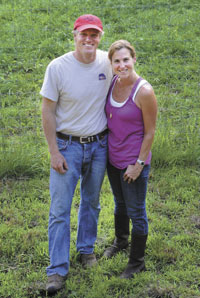
But few among us who have read “Fast Food Nation” or “Omnivore’s Dilemma” or viewed the movie “Food Inc.” have so completely altered the direction of our lives as Robin and Jon McConaughy of Hopewell. The McConaughys have shaken off their high-powered, high-income careers to launch a pioneering 10-year project, now in its eighth year, to bring the movement to eat local, natural, sustainable, farm-to-table, and humanely-grown food to a new level.
So wrote Pat Tanner in the July 11, 2011 issue of U.S. 1 Newspaper (photo from that issue).
Religion Can Change Brains — and Bank Accounts
Consistent with these patterns, Conservative Protestants are more likely than other groups to accumulate few assets during their lives. For those who do accumulate wealth, Conservative Protestants tend to follow a somewhat traditional wealth accumulation trajectory involving early ownership of cash accounts followed by eventual homeownership. They are unlikely to follow a path that involves early ownership of high-risk financial assets.
Interestingly, both obedient Jews and Conservative Protestants are expected to be generous to needy causes. The Jewish tzedakah requirement is 10 percent of income, comparable to the Christian tithe of 10 percent. Keister did not cite giving averages for the general population, but some studies show that the average American family that makes donations will donate from two to three percent of its income.
* Not only do prayer and spiritual practice reduce stress, but just twelve minutes of meditation per day may slow down the aging process.
• Contemplating a loving God rather than a punitive God reduces anxiety and depression and increases feelings of security, compassion, and love.
• Fundamentalism, in and of itself, can be personally beneficial, but the prejudice generated by extreme beliefs can permanently damage your brain.
Leadership’s Trump Card
Immediate credibility — that’s the goal of every speaker, and it’s hard to achieve.
Eileen Sinett promises to teach this, and a host of other skills, in a half-day seminar at Raritan Valley Community College on Tuesday, March 6, starting at 8:30 a.m.
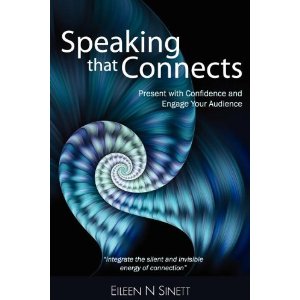
Sinett calls it the Leadership Trump Card, and its part of her presentation training brand “Speaking that Connects.” (She has an excellent book by the same name). This workshop is for everyone from would-be keynote speakers to the person whose knees shake when they get up to talk. Among the other skills she teaches: how to organize a succinct and persuasive message, how to manage distracting body language, and how to present genuinely, yet project strong leadership.
You’re the dealer here. Deal yourself a trump card!
Redefining Virtuosity
I translate that to “If you don’t feel anything, it’s not worth doing.”
I added Campanella’s anecdote on 2-29-12. and changed Stackhouse’s name from Sally to Sarah. She was known as Sally in the ’50s.

Unmasking Riverblindness
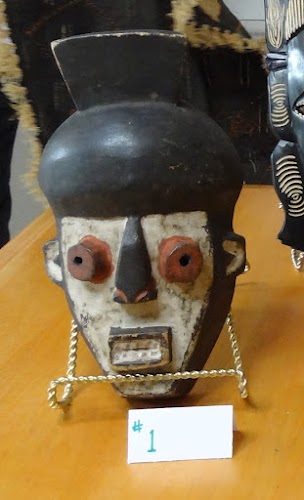
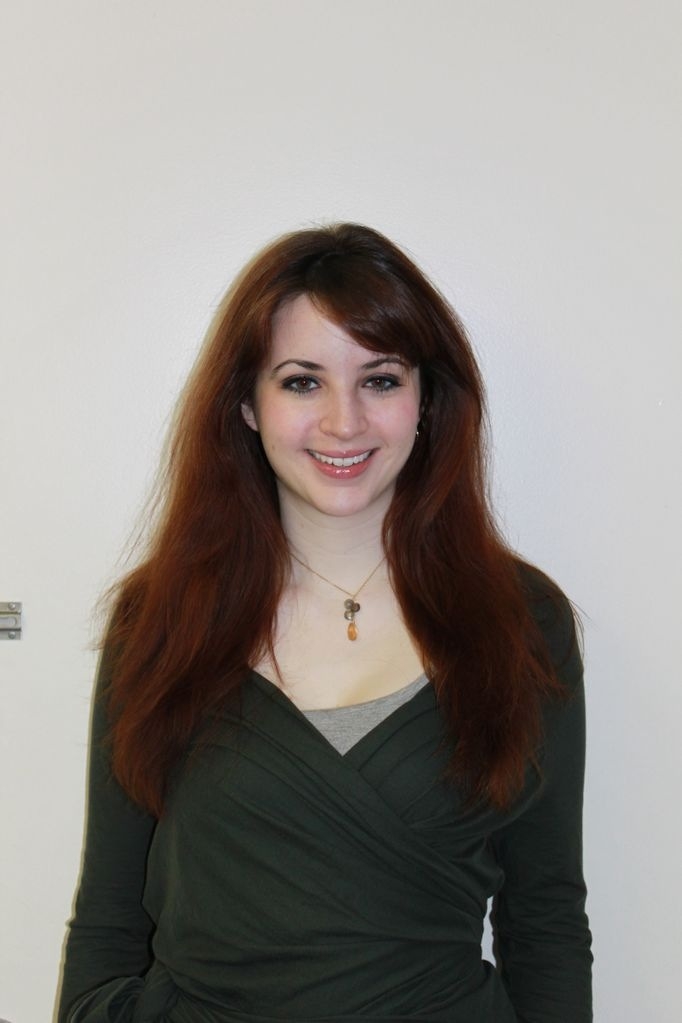
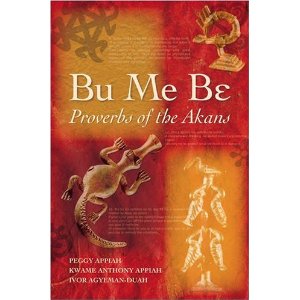
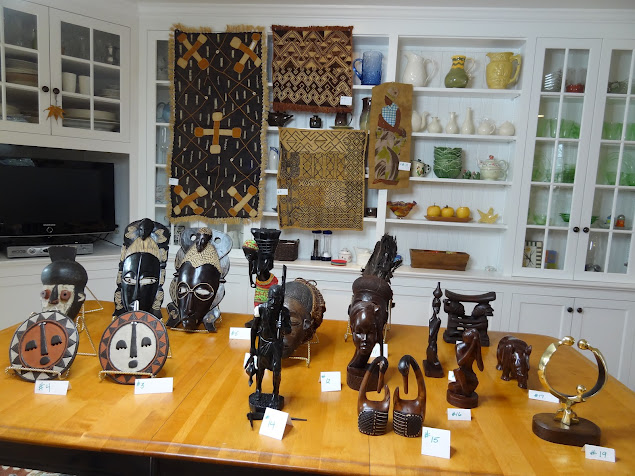
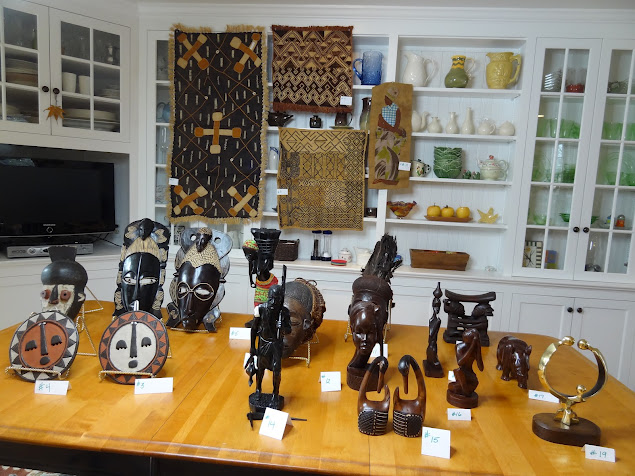
And if you like African art, you have probably perused the smallish but excellent collection at the Princeton University Art Museum. Kristen Windmuller (left), a Yale graduate now getting her PhD from Princeton, will give a tour of “Ghanaian Gold: Objects from the Treasury of the Asantehene” on Sunday, February 26, at 3 p.m. The Asante people are known for their proverbs, Windmuller says, and these proverbs relate to the art.. “Bu Me Be” is a collection of the proverbs, translated, by Peggy Appiah and her son Kwame Anthony Appiah, a professor at the university.So many African treasures in just one week — the expert’s view at the art museum and the buyer’s delight at the African Soiree. Here’s an overview of the items for Saturday, March 3. All proceeds go to help prevent the socially disruptive disease, riverblindness, which starts with an excruciatingly itchy rash, and when it leads to blindness, children must leave school to be full-time caregivers for family members. There is a drug for riverblindness, provided free by Merck & Co., but it is a challenge to get the drug to remote villages and ensure that every person takes the drug once a year for at least 10 years. Call 609-924-2613 or go to riverblindness.org to get tickets. Free offstreet parking is available.
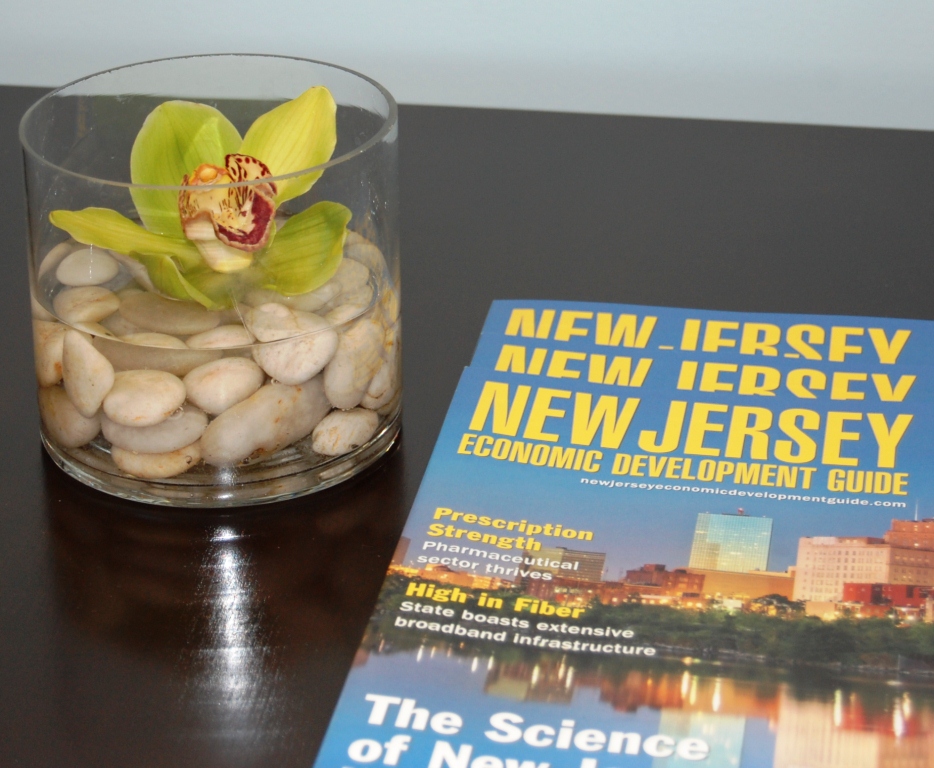
Saying “Choose NJ” with Flowers
Choose New Jersey, which represents part of the Christie administration’s economic agenda, headed by Tracye McDaniel, has just moved to Forrestal Village. Formerly in with a law firm, this nonprofit has grown to six staff members.
| . |
Weekend Dance Bargains: Feb 24 (today!)
See excerpts from new works — performed by professional dancers, at a free lecture demonstration on Friday, February 24 at 5:15 p.m. (That’s probably today as you read this!) when American Repertory Ballet (ARB) presents “Watching and Talking about Dance” at its Princeton studio on the second floor of McCaffrey’s in Princeton Shopping Center.
Then see new dancers (from Princeton University) perform historically significant works for low-priced tickets ($15) on Friday (and also Saturday, and Sunday), February 24 to 26 at McCarter Theatre.

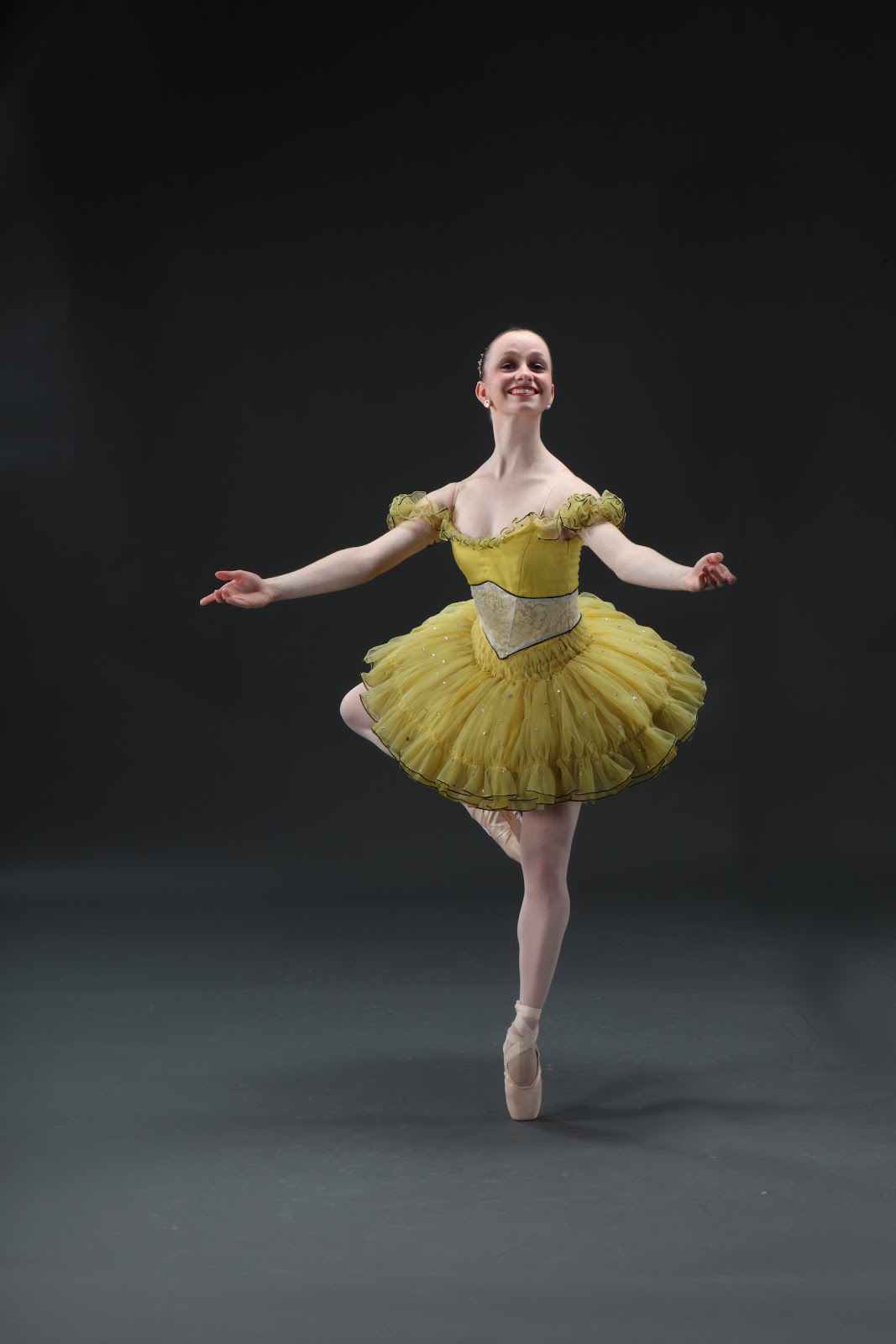
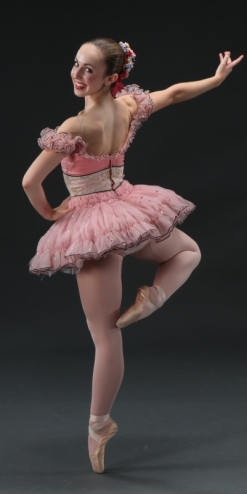
I saw ARB in rehearsal this week and am excited about the dances — new works by Mary Barton (a piece for men only) and by Trinette Singleton (for mostly women) plus a revival of Gerald Arpino’s “Confetti” (photo at right) All three of these dances, along with excerpts from Douglas Martin’s “Romeo and Juliet,” will be in ARB’s “Spring into Love” performance on Saturday, March 17, at Raritan Valley Community College.
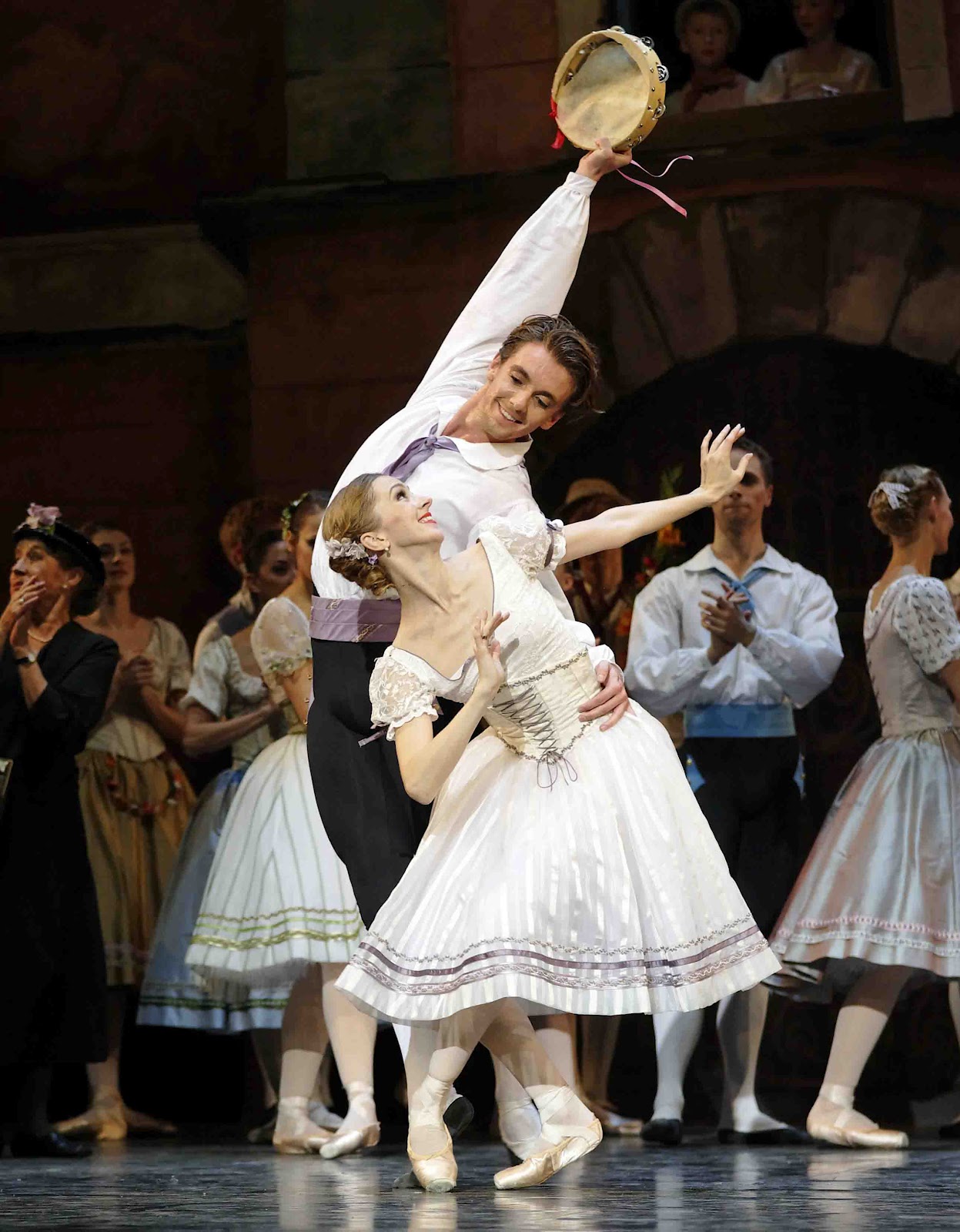
If you can come to the lecture/dem, you’ll see the excerpts and listen in on the conversation. I join Michael Robertson (long-time friend and fellow dance critic) and company director Douglas Martin to help deconstruct the dances. Hint: Martin used to dance in the Arpino work during his Joffrey Ballet days, and Robertson is going to point out that Arpino quoted liberally from August Bournonville’s “Napoli,” picture above at left. (Please note that excerpts of the dances will be performed in a studio setting, i.e.you will be knee to knee with the dancers — not in a theater with costumes!)
Over at McCarter this weekend, in a fully staged performance, student dancers present excerpts from Balanchine’s “Four Temperaments,” “Who Cares?” and “Apollo” (staged by Heather Watts) and from Trisha Brown’s 1983 “Set and Reset,” described by Tobi Tobias in “Seeing Things” as “The choreographer’s fluid movement pairs with Robert Rauschenberg’s translucent costumes and fleeting background images to create a ravishing, ephemeral world.” They will also perform work by Doug Varone and Jessica Lang. The publicity doesn’t say whether we get to see student choreography — to me, new work from fresh minds is infinitely more interesting than re-dos. But I guess it’s fun to perform it. Note that the Lewis Center for the Arts invites the community to attend dance master classes for free — to observe. The next one is Tuesday, February 28, with choreographers from Istanbul.
Photo of Napoli (above) courtesy of the Royal Danish Ballet and Arts Journal. Photo of Confetti by Peter Cook.